
 中文
On November 19, BioGeometry officially launched GeoFlow V4, its next-generation drug discovery engine. By scaling data and models, this release significantly advances structure prediction, candidate screening, and de novo design. Alongside the model, BioGeometry introduces GeoFlow Code, an agentic drug design orchestration framework. Together, they power a drug-oriented, closed-loop recursive self-improvement (RSI) system that unites dry-lab models, molecules, and wet-lab feedback.
Across 15 de novo design campaigns spanning 13 disease-relevant targets, GeoFlow V4 achieved an average experimental hit rate of 34.6%—an approximately 85% improvement over the previous generation. Within a single unified framework, the model supports de novo design across four protein formats: miniproteins, cyclic peptides, nanobodies (VHHs), and IgG antibodies. Multiple designed candidates reached picomolar (pM) binding affinities, while engineered antibodies demonstrated strong developability profiles across expression, purity, thermal stability, and low non-specific binding.
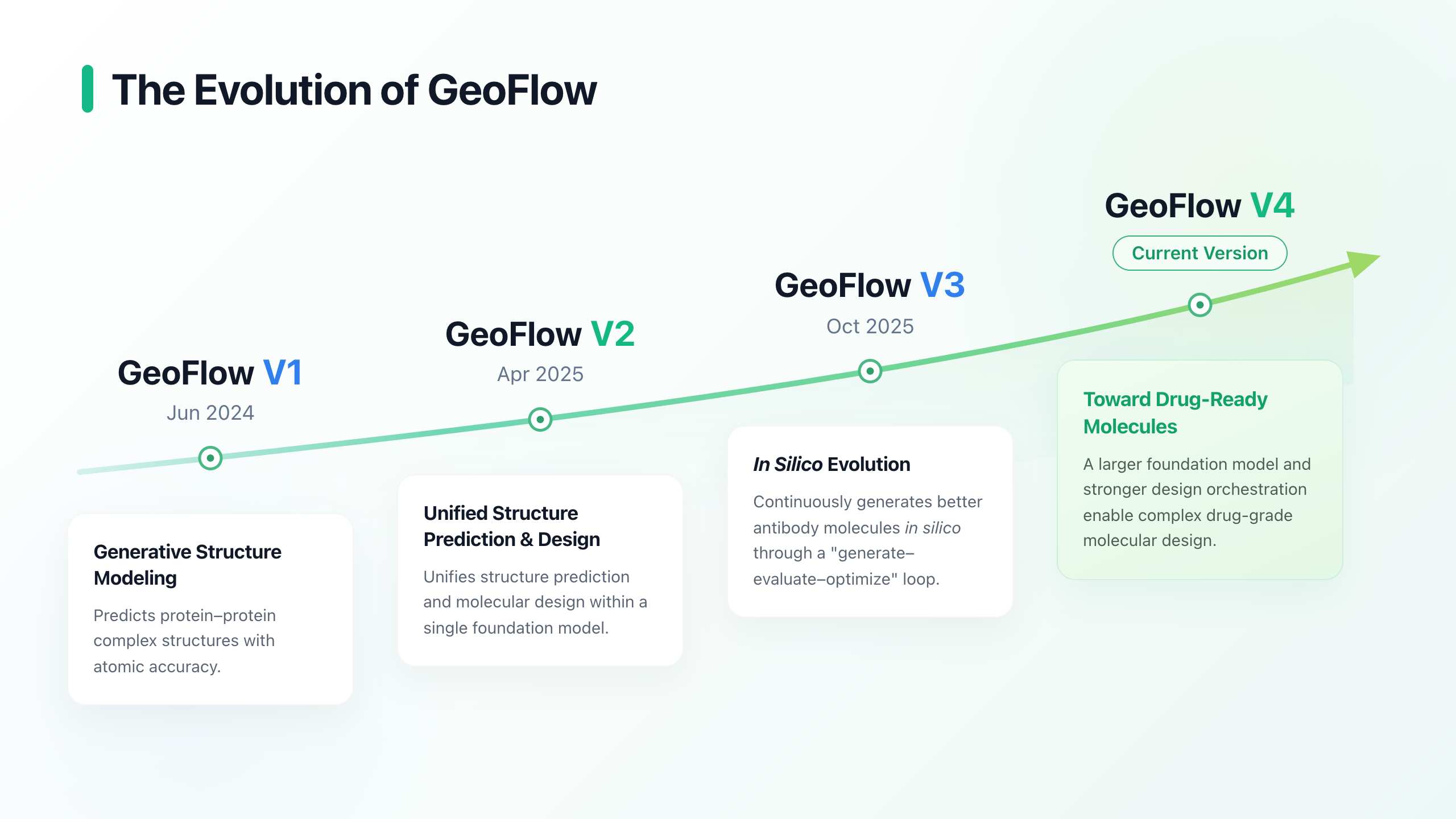
From first-generation antibody generation to unified all-atom structure prediction and design, and later to multi-step reasoning for epitope-targeted design, the GeoFlow series has continuously pushed the frontiers of AI in molecular discovery. With GeoFlow V4, BioGeometry takes the next decisive step—moving beyond binding hits toward truly drug-ready candidates.
GeoFlow V4 Technical Report:https://prot.design/report
Try GeoFlow V4:https://prot.design
Next-Gen Foundation Model: Sharper Structure Prediction, Smarter Screening
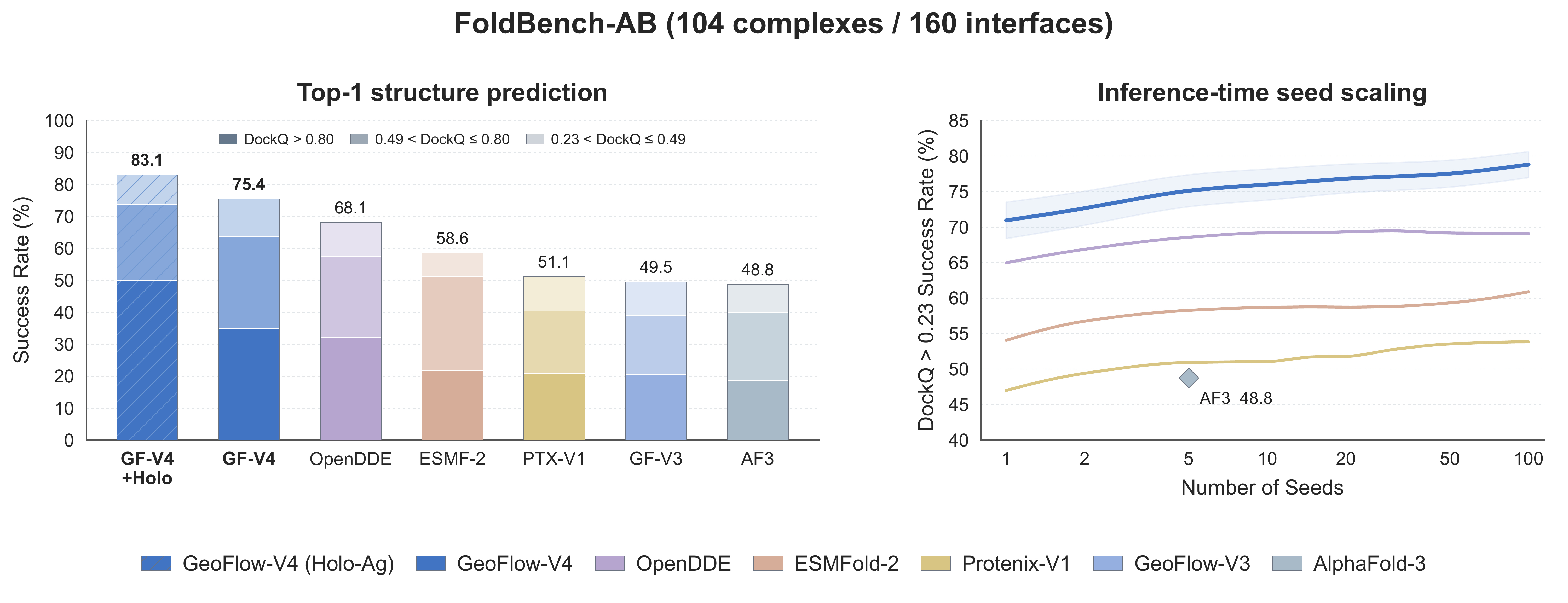
Engineering antibodies to precisely engage a target epitope—and identifying the most promising candidates for experimental validation from vast design pools—demands a deeper, more accurate grasp of molecular interactions. On FoldBench-AB, a public antibody–antigen structure prediction benchmark, GeoFlow V4 achieved a 75.4% Top-1 success rate, placing it at the global frontier. The model also exhibits strong inference-time scaling: increasing compute to 100 inference samples pushes the prediction success rate further to 78.8%, confirming that additional test-time compute continuously improves structural accuracy.
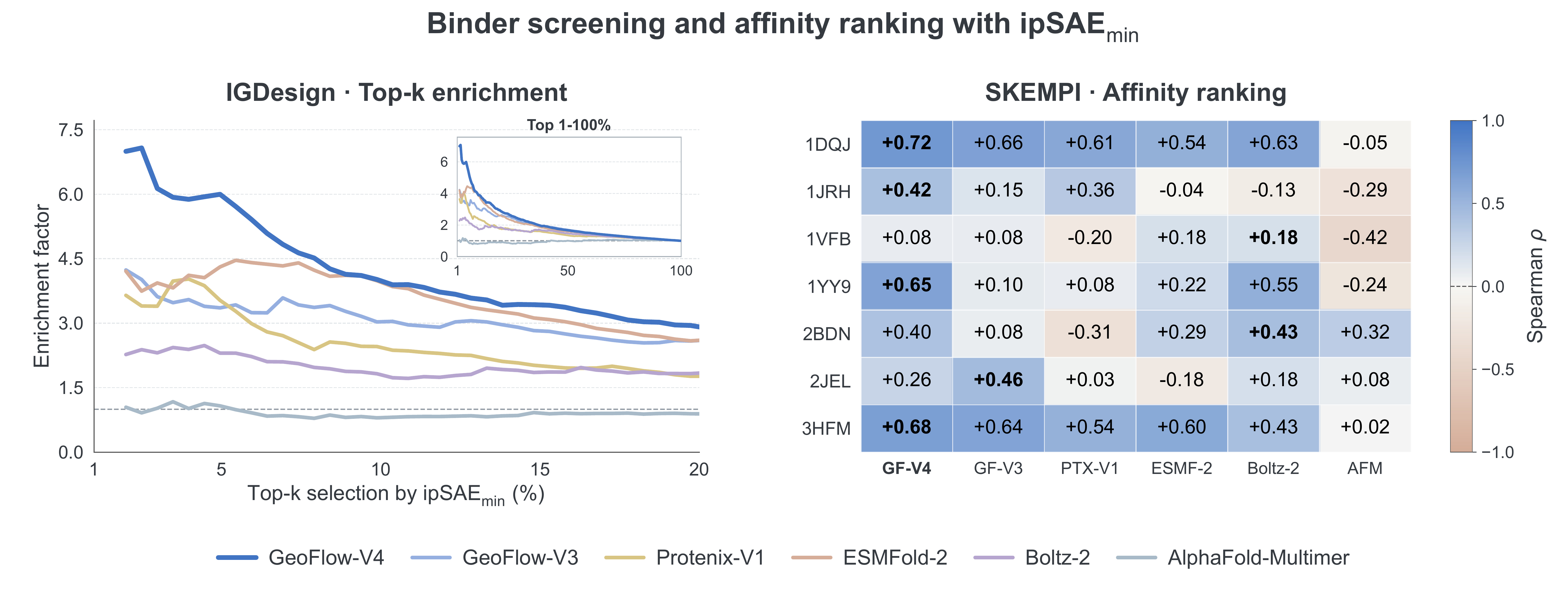
Higher structural accuracy directly translates into more reliable screening. GeoFlow V4’s confidence scores effectively separate binders from non-binders and prioritize stronger candidates. On the IGDesign antibody dataset, the top 5% of scored candidates achieved a 6.0-fold enrichment of true binders. On the more demanding SKEMPI affinity-ranking benchmark, GeoFlow V4 significantly outperformed its predecessor across multiple antibody systems, resolving subtle affinity differences that were previously difficult to distinguish.
GeoFlow Code: A Programming Language and Execution Framework for Protein Design
Discovering and optimizing high-affinity therapeutics rarely happens in a single pass. When programs introduce complex constraints—such as cross-species reactivity or receptor selectivity—R&D teams must explore multiple design pathways and adapt their strategies based on each round of results. This calls for more than iterative candidate refinement; it requires a system capable of task planning, strategy selection, and orchestrating multi-round campaigns into executable, adaptable workflows.
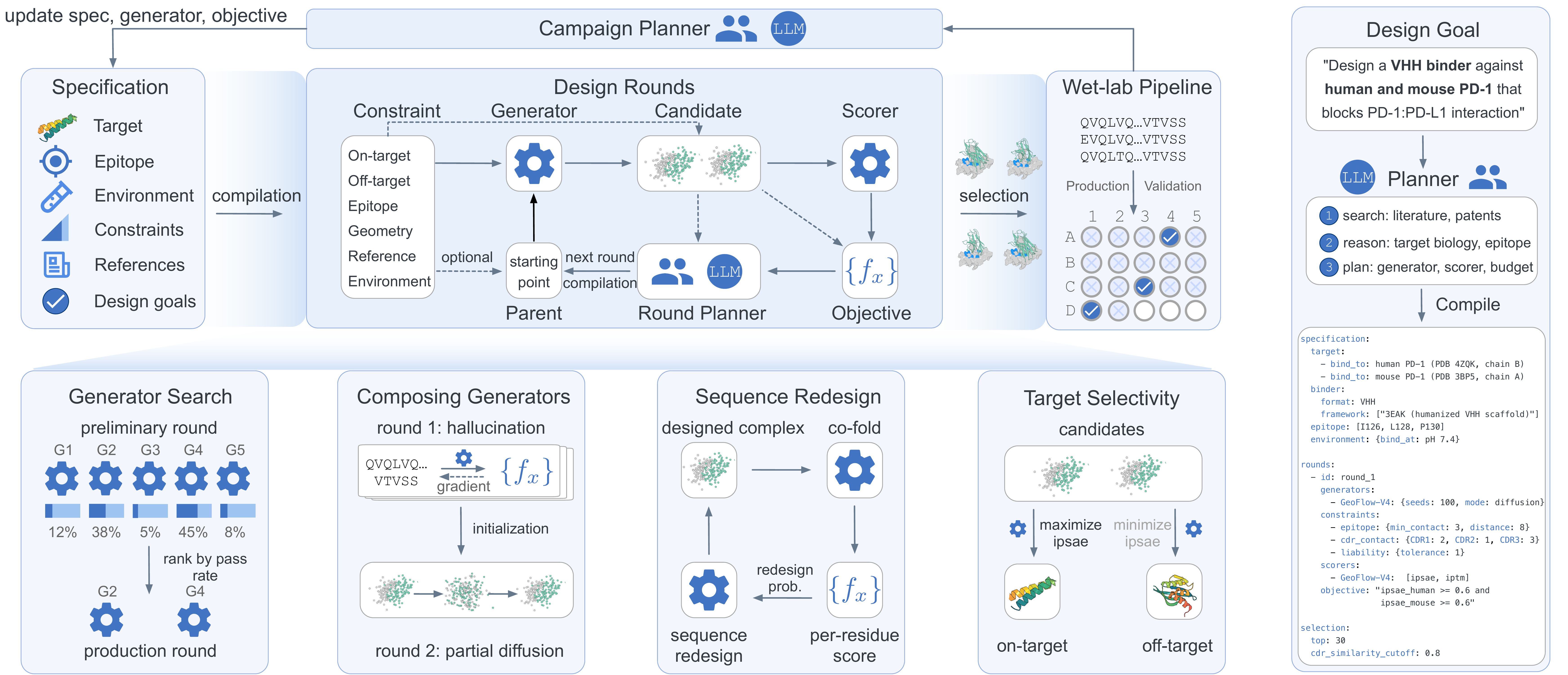
While GeoFlow V3 introduced “virtual evolution”—using multi-step reasoning to iteratively optimize candidates within a fixed workflow—GeoFlow V4 breaks free from static pipelines. By introducing GeoFlow Code, a domain-specific programming language and execution framework for protein design, the system can autonomously explore, compose, and execute design strategies.
GeoFlow Code pairs the planning, decision-making, and execution strengths of large language models with GeoFlow’s deep structural understanding and generative capabilities. It autonomously conducts literature reviews, selects epitopes, orchestrates design pipelines, and analyzes outputs—translating diverse drug discovery objectives into executable design programs. Every step and screening rationale is comprehensively logged, allowing human experts to audit, refine, and reuse workflows. Expert interactions and wet-lab feedback continuously update objectives and strategies for subsequent rounds, turning tacit R&D experience into reusable institutional methodologies.
In a head-to-head benchmark for cross-species anti-PD-1 IgG design, human experts and GeoFlow Code were given 48 hours to design antibodies capable of simultaneously recognizing human, cyno, and mouse PD-1 while blocking PD-L1 interaction. Evaluated under identical computational filtering criteria, the expert-designed workflow achieved an overall pass rate of 0.16%, whereas GeoFlow Code’s autonomously orchestrated pipeline reached 4.23%—roughly 26× higher—while delivering 19× greater sequence diversity.
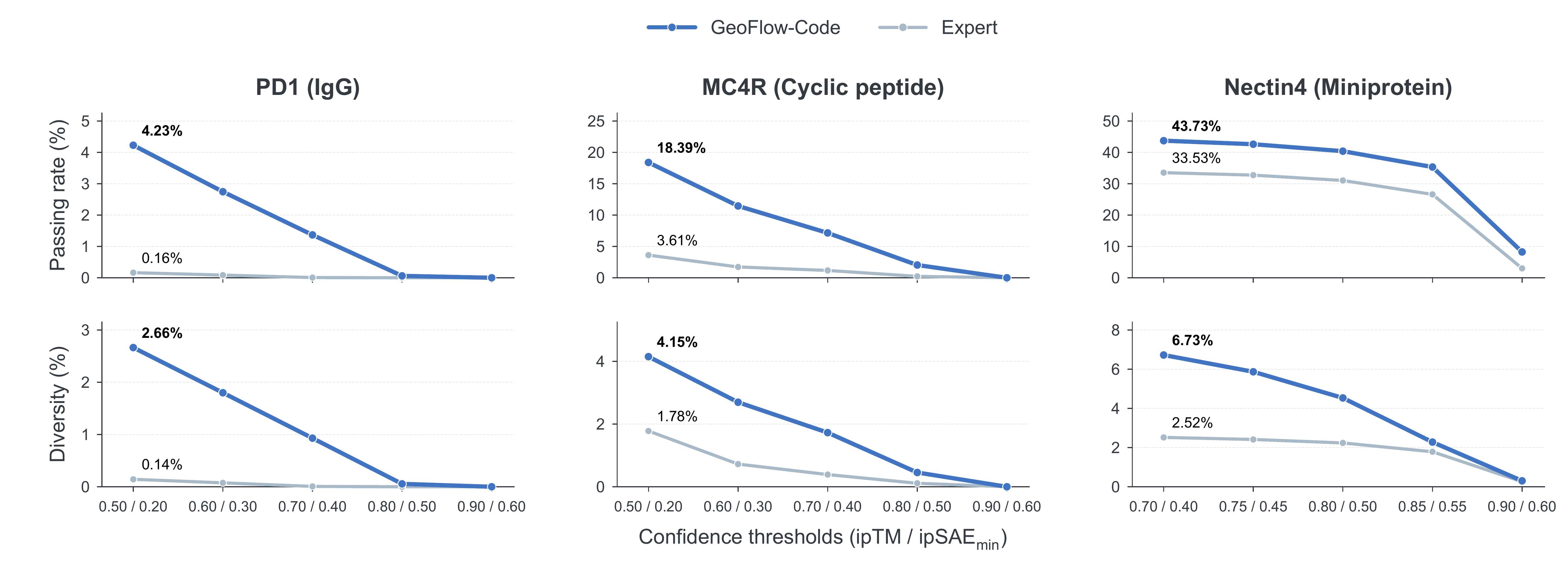
GeoFlow Code goes beyond workflow automation; it actively uncovers novel design strategies by identifying better starting points and structural conditions:
- Discovering superior design starting points: In a cross-species design campaign, GeoFlow Code tested antigens from different species as starting templates. Initiating design from the mouse antigen yielded 2.5× more cross-reactive candidates than starting from the human antigen, providing data-driven guidance for downstream strategy selection.
- Proactively identifying complementary motifs: In an epitope-targeted campaign, GeoFlow Code analyzed the geometry of the target epitope, proactively identified structural fragments with complementary features, and built subsequent designs around them—boosting the computational design success rate by 5×.
By operationalizing a new discovery paradigm—where experts define therapeutic objectives, agents autonomously explore design solutions, and experimental feedback guides iteration—GeoFlow Code compounds R&D insight across cycles, unlocks the full potential of the underlying model, and helps teams crack complex druggability challenges faster.
Cross-Modal De Novo Design: High-Affinity Molecules Across Four Formats
The true test of an all-atom model lies in real-world drug discovery. Building on GeoFlow V3’s breakthrough in de novo VHH design, GeoFlow V4 expands its de novo capabilities across four major therapeutic formats: miniproteins, nanobodies (VHHs), IgG antibodies, and cyclic peptides.
Across 15 de novo design projects targeting 13 disease-relevant proteins, GeoFlow V4 achieved a project-level average hit rate of 34.6%, up roughly 85% from the prior generation. Every target was validated using tailored binding or functional assays, with rigorous quality controls applied to both binding signal reliability and kinetic curve fitting for affinity measurements.
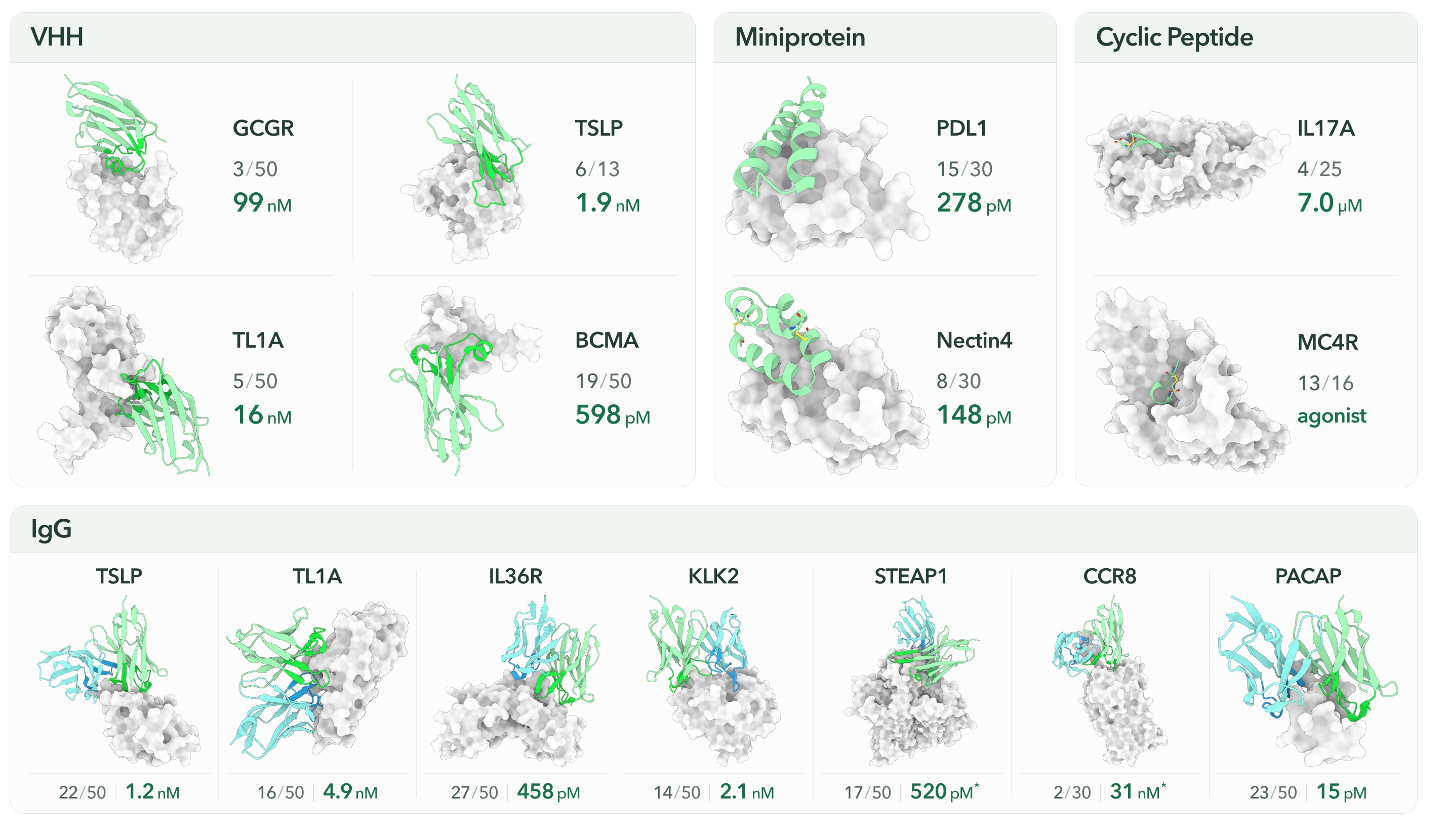
Alongside higher hit rates, peak binding affinity improved by roughly 100-fold over the previous generation, yielding picomolar (pM) hits across diverse targets and modalities:
- Miniproteins: Achieved affinities of 278 pM against PD-L1 and 148 pM against Nectin-4 (oncology targets).
- Nanobodies (VHHs): Reached 598 pM affinity against BCMA (multiple myeloma).
- IgG antibodies: Achieved 458 pM affinity against IL36R (autoimmune disease) and 15 pM against the short peptide target PACAP (pain).
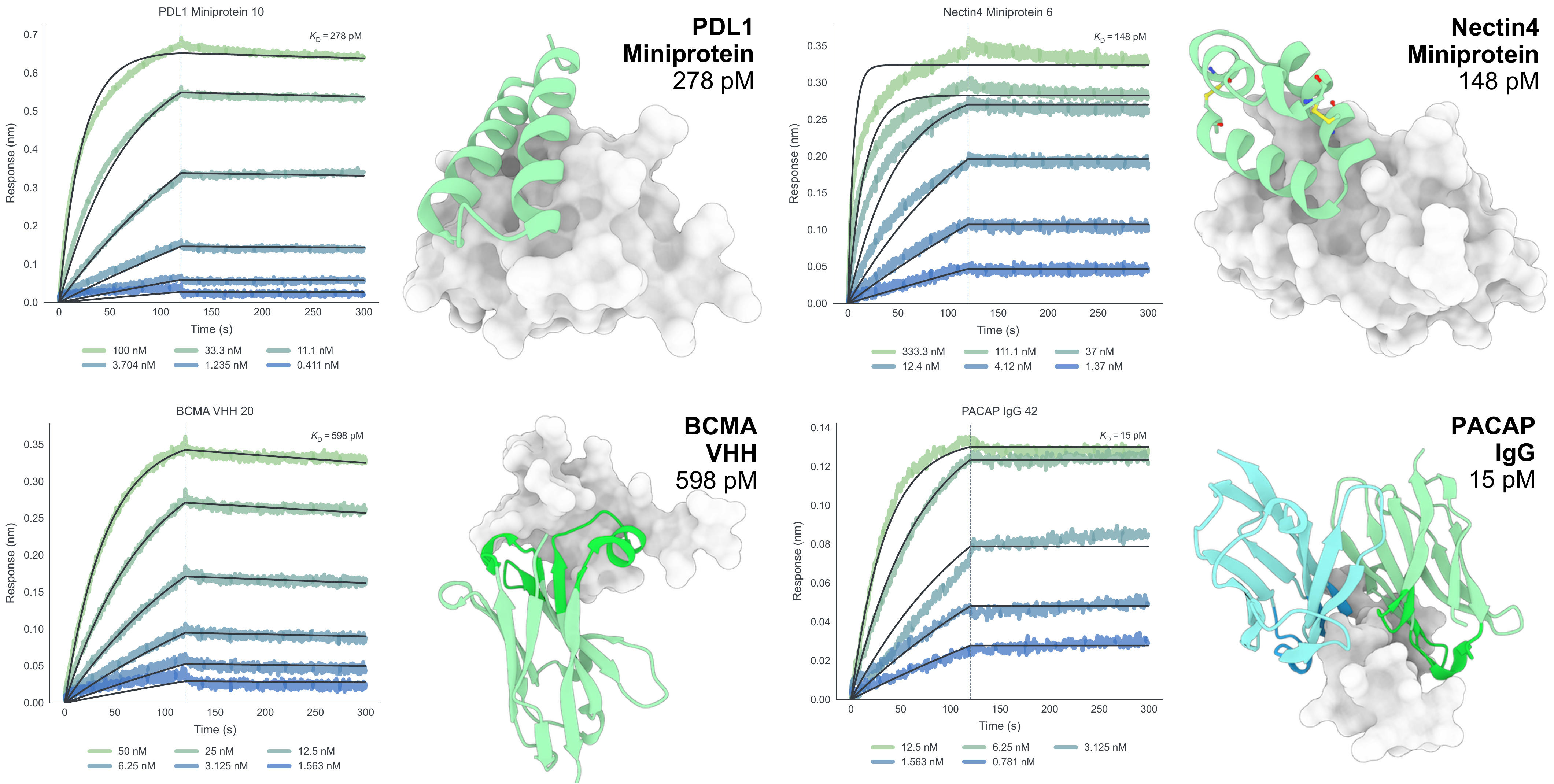
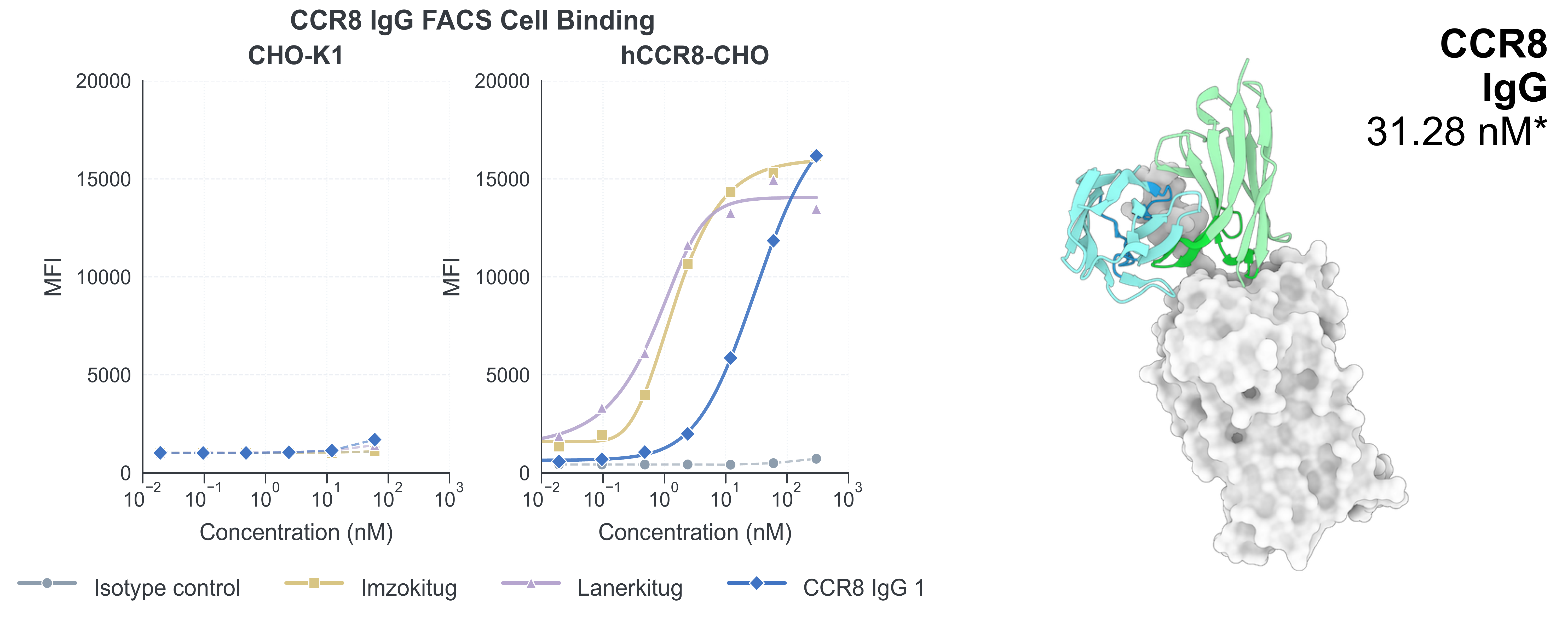
The model also proved its mettle on notoriously challenging multi-pass transmembrane proteins. GPCRs such as GCGR and CCR8 present limited accessible extracellular surfaces and high conformational flexibility, making de novo design exceptionally difficult.
Antibodies designed by GeoFlow V4 against three multi-pass transmembrane targets—STEAP1, CCR8, and GCGR—all demonstrated cellular binding activity with apparent EC₅₀ values in the nanomolar (nM) range or lower. Notably, on STEAP1, GeoFlow V4 generated binders with picomolar apparent EC₅₀ values, exhibiting cellular binding activity comparable to or stronger than the anti-STEAP1 IgG arm of AMG 509.
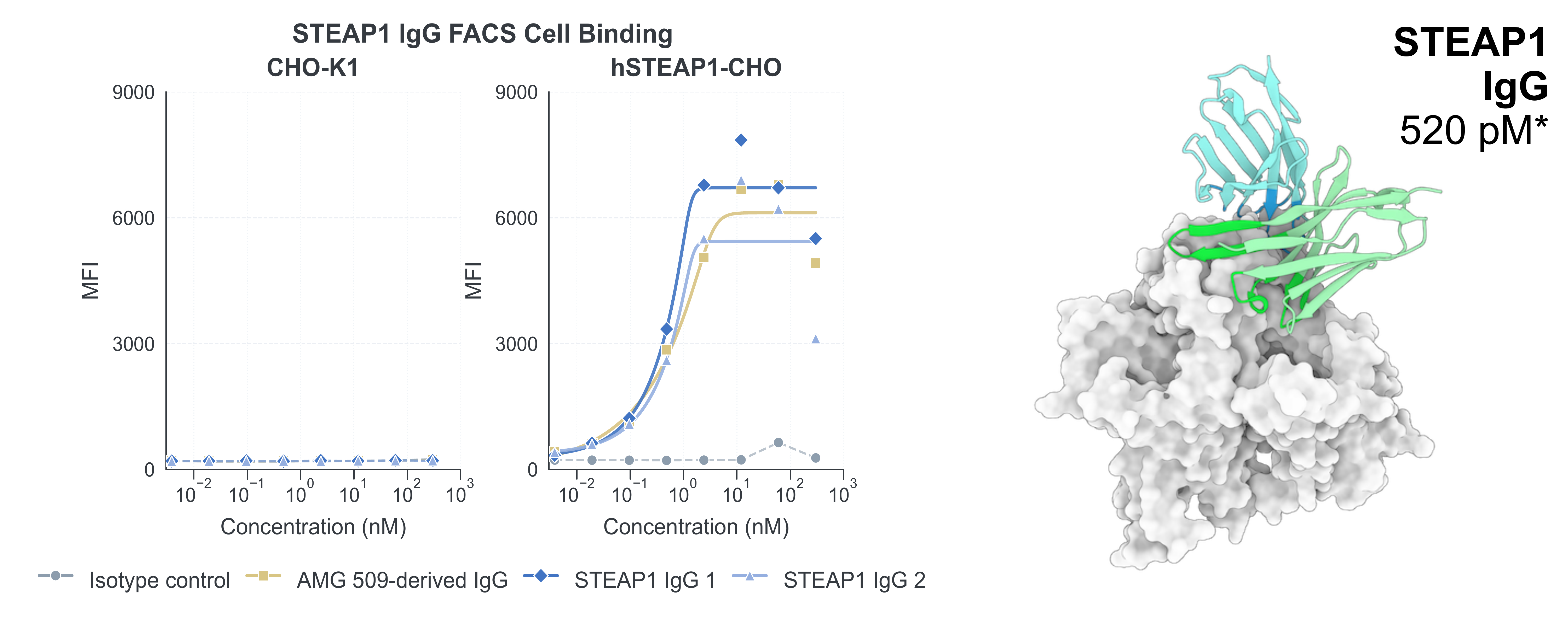
Beyond Binders: Functional Activity and Developability Validation
Finding a binder is only the starting line of drug development. Advancing a candidate further requires verifying functional activity, cross-species reactivity, and specificity, alongside critical developability attributes such as expression, purity, thermal stability, and low polyreactivity. For signaling targets like GPCRs, different binders can trigger entirely different downstream pathways—meaning binding does not automatically equate to function.
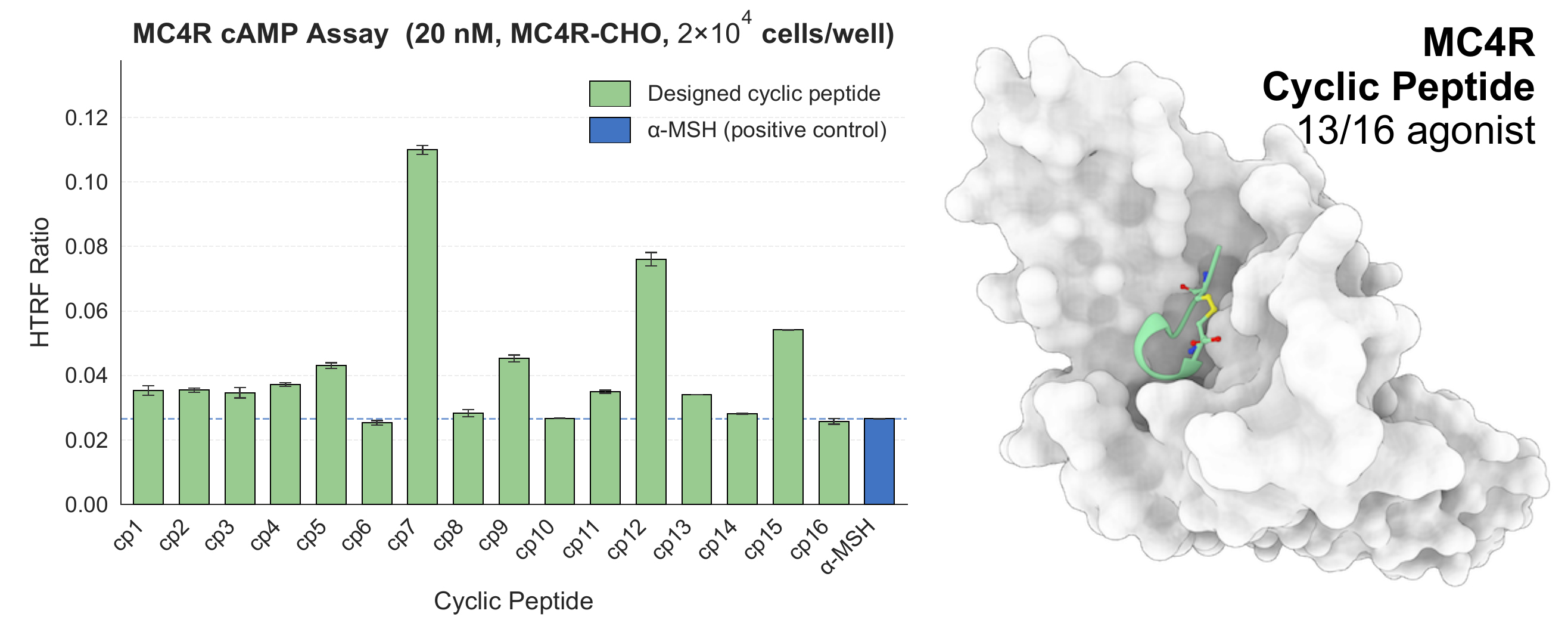
Targeting MC4R, a key regulator of energy metabolism, 13 out of 16 tested cyclic peptides designed by GeoFlow V4 (>80%) demonstrated agonist activity in cellular cAMP assays—providing experimental proof that the model can design directly for desired biological function.
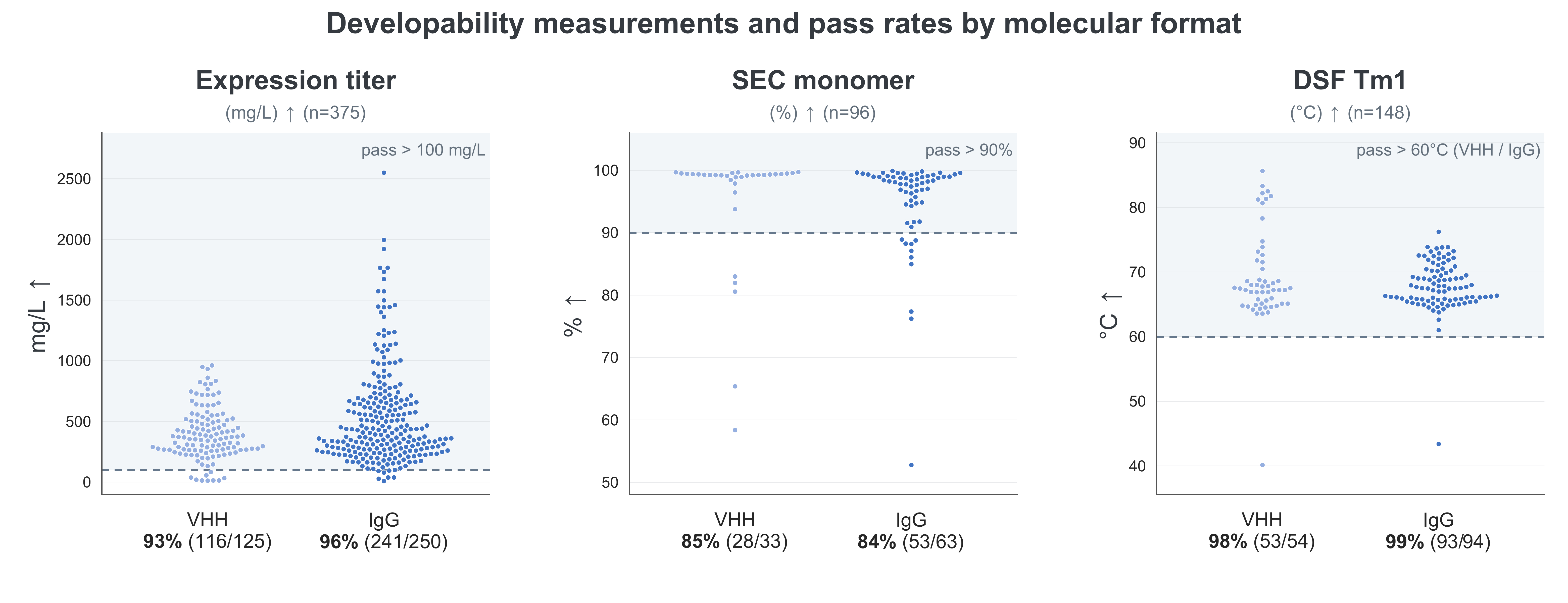
Beyond functional validation, GeoFlow V4 underwent comprehensive developability profiling across hundreds of designed VHH and IgG candidates:
- Expression: 93% of tested VHHs and 96% of tested IgGs met pre-defined expression thresholds.
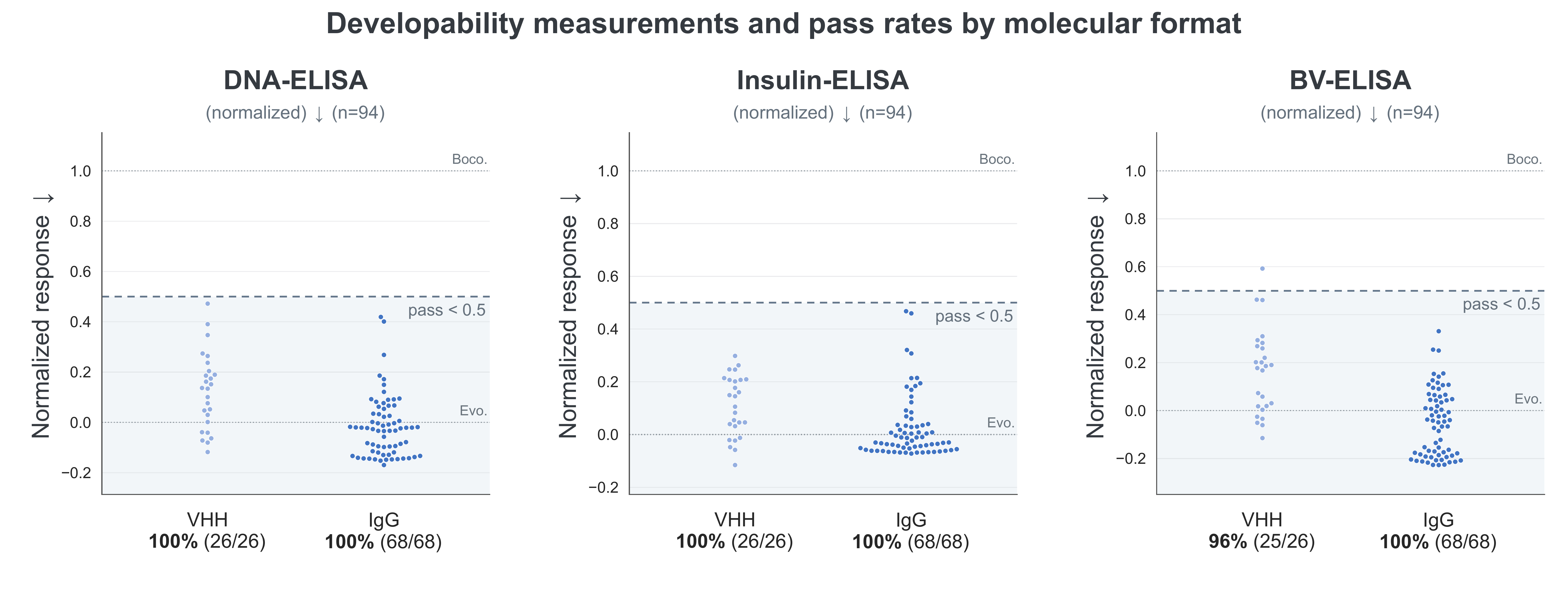
- Specificity & Polyreactivity: 100% of 94 tested molecules passed dsDNA and insulin non-specific binding assays, while 99% passed the BVP-ELISA assay.
- Purity & Thermal Stability: Over 80% of both VHHs and IgGs achieved >90% monomer content following one-step Protein A purification; 98% of VHHs and 99% of IgGs exhibited a Tm₁ above 60 °C, demonstrating robust thermal stability.
By validating candidates from initial binding through cellular function and early developability, GeoFlow V4 brings AI-generated designs significantly closer to the realities of drug development.
Rewriting the Paradigm of Drug Discovery
Nearly doubled hit rates, picomolar affinities, verified cellular function, and strong early developability; an expansion from VHH breakthroughs to full coverage across four therapeutic modalities—GeoFlow V4 translates advances in model capability into tangible experimental results, giving R&D teams a stronger foundation to screen, optimize, and advance clinical candidates.
When developability constraints shift from late-stage screening bottlenecks to the very first line of molecular design code, the fundamental paradigm of drug discovery begins to change.
From designing molecules to understanding cells and intervening in disease, BioGeometry continues along a verifiable, iterative path—pushing the boundaries of AI in the life sciences so it does more than predict molecules, truly decodes the rules of life, and better safeguards human health.